
Freight City Logistics coordinates heavy equipment transport in New England for contractors, utilities, manufacturers, and rental fleets moving machines between Connecticut, Rhode Island, Massachusetts, Vermont, New Hampshire, and Maine. In a region this compact, a two-hour drive can cross three state lines, and each state applies its own permit rules.
Each heavy equipment transport plan matches the trailer to the machine, secures permits for every state on the route, adds escorts when required, and assigns a vetted, insured carrier. Freight City Logistics is licensed and bonded (DOT 3752961, MC 1332997) and works through vetted partner carriers, so you have one contact for the full trip.
Pavers, Bucket Trucks, and Forestry Machines
Most heavy equipment shipping in New England falls into a handful of groups. Contractors move excavators, dozers, loaders, and pavers between highway and site jobs. Utility crews relocate bucket trucks, generators, and transformer-related equipment.
Manufacturers in older mill towns and newer industrial parks ship presses, machining centers, and plant equipment. Rental fleets shift lifts and compact machines between branches as the season changes, and farms in Vermont and Maine move tractors and forestry machines.
Equipment hauling in Boston, MA often involves dense urban sites, while rural moves bring narrow roads and long distances between permitted routes.
What Happened to the Regional Permit
For years, New England was known for the NETC multi-state permit, a program that let one issuing state approve a trip through several member states within a set size envelope. Maine’s rules still describe that envelope, covering loads up to 14 feet wide, 13 feet 6 inches high, and 90 feet long, with weight caps by axle count.
Participation shrank over time, though. Massachusetts, Rhode Island, and Vermont left the permit process, leaving Maine and New Hampshire. Connecticut was never part of it. In practice, heavy equipment transport in New England now relies on separate permits from each state, and we confirm current rules before booking.
Six Permit Offices, Six Rulebooks
For heavy equipment transport in New England, you need to know that each state handles oversize moves through its own office and rules:
- Connecticut: CTDOT issues oversize and overweight permits for state highways
- Massachusetts: MassDOT issues each oversize load permit in Massachusetts under its overdimensional load regulation, 700 CMR 8.00
- Rhode Island: RIDOT sets permit rules for overweight and oversize vehicles
- Vermont: state permits do not override town road postings during mud season
- New Hampshire: NHDOT approves permits, including nighttime supermoves for the largest loads, and its rules still recognize NETC permits
- Maine: the Bureau of Motor Vehicles issues permits, and MaineDOT posts state roads during the spring thaw
Our team gathers the permits for each state, which matters for equipment transport in Maine or anywhere else on a multi-state route.
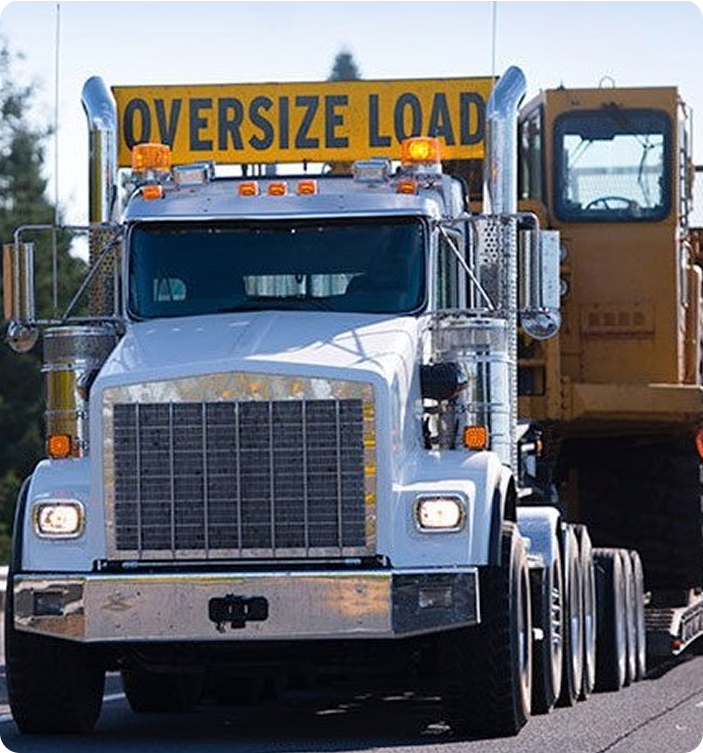
I-95, the Pike, and the Valley Interstates
I-95 is the main spine, running from Connecticut through Rhode Island and Massachusetts and across a short stretch of New Hampshire into Maine. I-90, the Massachusetts Turnpike, runs west from Boston to the New York line, and I-84 links Hartford with the Turnpike at Sturbridge. North-south moves often use I-91 through the Connecticut River valley, I-93 from Boston into New Hampshire, or I-89 toward Burlington.
A heavy haul in New England heading from Connecticut to central Maine can cross four states in a single day of driving, so each permit has to line up with the others. Planning a heavy haul in the Northeast starts with that route check.
State-by-State Quirks on a Regional Trip for Heavy Equipment Transport in New England
Every leg of a regional trip carries its own rules. These are the ones that most often change a plan, from Connecticut’s short permit window to Vermont’s town-road postings, and each one is built into the route before a quote goes out.
Connecticut Sets a Short Clock
CTDOT single trip permits last three days and allow daylight travel only, and the Merritt and Wilbur Cross parkways are closed to commercial vehicles. A trip that starts near New Haven or Hartford has to have the carrier, escorts, and pickup ready before the permit is pulled. Statewide escort and superload rules are covered under Connecticut heavy equipment transport.
Massachusetts Has the Busiest Interchanges
The Pike, I-93, I-95, and I-495 all meet traffic that rarely thins out, and MassDOT reviews oversize moves under 700 CMR 8.00. Loads bound for Worcester, Springfield, or the North Shore are timed to avoid peak hours. Boston deliveries add tight streets and little staging room, so curb access gets checked early. Legal-size freight in the state can move through Massachusetts trucking.
Rhode Island Is Short but Not Skippable
I-95 crosses Rhode Island in under an hour, yet an oversize load still needs a RIDOT permit for that stretch. Quonset and the Port of Providence also generate their own pickups, and the state is small enough that a Providence pickup and a Westerly drop can share one morning. Smaller or legal-size shipments in the state run through Rhode Island freight shipping.
Vermont Leaves the Last Miles to the Towns
State permits cover state highways, but town roads follow local postings, and those postings stand during mud season even with a state permit in hand. A delivery to a farm or quarry off I-89 or I-91 depends on what the town allows, and photos of the access road show whether a full lowboy can reach the site. General freight in the state uses Vermont trucking.
Maine and New Hampshire Still Share the Old Permit
These two states kept the old regional permit after the others left, though both still run their own permit offices for larger loads. Maine’s spring postings and long rural distances shape most trips north of Portland, while Portsmouth’s Market Street Terminal is a frequent start for project cargo. Freight that needs no permit can ship through Maine trucking.
Conley, Market Street, and State Pier Pickups
New England’s ports bring in equipment that then needs a truck leg. Massport’s Conley Terminal in South Boston is the region’s only full-service container terminal, which makes it a common starting point for equipment hauling in Boston, MA. In Portsmouth, the New Hampshire Port Authority’s Market Street Terminal handles bulk, breakbulk, and project cargo, and large pieces move inland from that seaport under NHDOT permits.
Connecticut’s State Pier in New London has been rebuilt as a heavy-lift terminal for offshore wind projects. Equipment transport in New Hampshire or Massachusetts that starts at a terminal needs the release paperwork and appointment details before a carrier can be booked.
Storm Delays and Spring Weight Postings
Weather shapes the calendar more here than in most regions. Winter storms can close routes or delay permitted moves for days, so flexible dates help. Spring brings a second constraint. MaineDOT posts many state and state-aid roads during the thaw to protect them from damage, limiting most trucks to 23,000 pounds registered gross weight, and Maine towns can post local roads too.
Vermont towns file mud-season restrictions with the state, and permits do not override those postings. If you plan heavy equipment shipping in New England between late winter and spring, tell us the exact delivery address so we can check postings along the final miles.
Lifts, Rigging, and Overnight Supermoves
Some loads are more than a drive-on, drive-off job. Transformers, large tanks, and plant machinery may need a crane or rigging crew to lift the piece onto the trailer and set it at the destination.
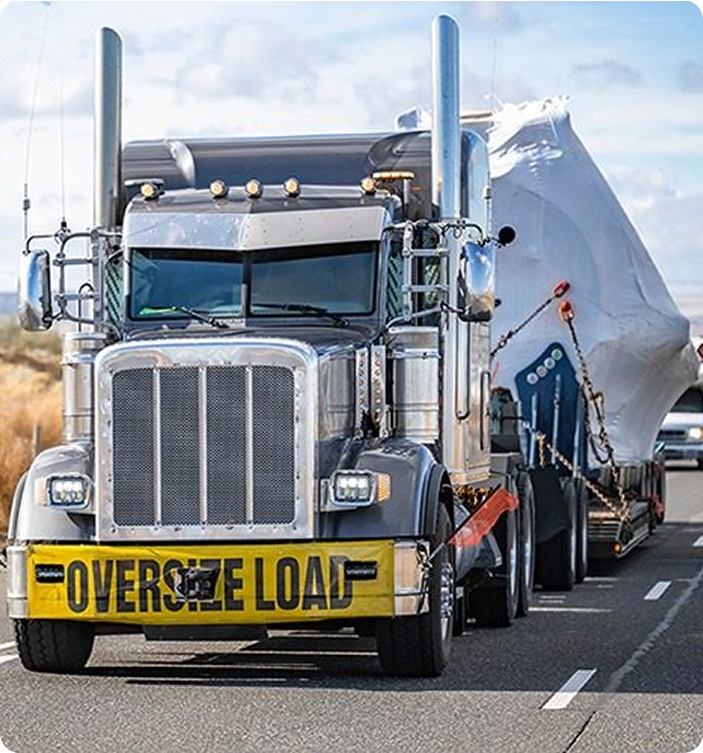
New Hampshire handles the largest of these as supermoves, such as storage tanks that have traveled overnight from Portsmouth with rolling roadblocks, yellow-light escorts, and State Police support. If your project needs lifting at either end, tell us early so the carrier’s arrival matches the lift schedule. A heavy haul in the Northeast often depends as much on site timing as on road permits.
Five Details That Speed Up Pricing
Having these details ready keeps the planning quick for heavy equipment transport in New England:
- The machine’s make, model, and spec sheet
- Length, width, height, and operating weight, including attachments
- Pickup and delivery addresses or ZIP codes, plus every state the route will cross
- Whether a port terminal, crane, or loading dock is involved at either end
- Target dates and how much flexibility you have around storms or spring postings
These answers help us confirm permits, escorts, and the trailer, whether the job is equipment transport in Maine, equipment transport in New Hampshire, or a move out of the region.
What Moves the Price on a Regional Haul
Cost for heavy equipment transport in New England depends less on miles than on borders. Each state crossed adds a permit fee and its own processing time, and a load wide or tall enough for escorts may need a different escort count in each one. Port pickups add terminal fees and appointment windows.
Spring postings can force a longer route or a wait, and storm delays can push a permit past its dates, which means filing again. A flexible delivery window usually lowers the total more than any other choice a shipper can make. A haul that stays inside one state is often simpler to price than a shorter trip that crosses two lines.
Regional Equipment and Industry Freight Services
New England businesses can use these services to arrange machinery moves, construction deliveries, and specialized freight shipments.
Construction Equipment Transport for machinery used on building and infrastructure projects.
Industrial Equipment Transportation for production machinery and plant equipment.
Specialized Equipment Hauling for multi-state loads requiring permit and route coordination.
Where Your Work Stops and the Coordination Starts
Our team reviews each machine’s size and weight, picks the trailer, and maps a route that works in every state it crosses. We file each oversize load permit in Massachusetts, Connecticut, or Maine that the trip requires, schedule escorts, and check the carrier’s operating authority, safety record, and insurance before assigning the load.
The same process covers short heavy equipment shipping in New England, such as a loader going from Worcester to Providence, and a longer heavy haul in the Northeast that continues into New York. For equipment transport in Maine and the rest of the North, we also watch seasonal postings. Every heavy haul in New England comes with status updates and one point of contact.
Why New England Businesses Choose Freight City Logistics
- Coordination across state lines. A heavy equipment shipment through New England may cross several permitting jurisdictions. We consider each state on the route and coordinate the applicable requirements rather than treating the region as one permit area.
- Planning for varied roads and terrain. Interstate corridors, rural roads, coastal routes, and mountain areas can have different restrictions. We assess the intended lane against the load’s dimensions and delivery location.
- Seasonal considerations built into planning. Winter storms, snow, and spring road conditions can affect routes and schedules across parts of the region. We consider relevant seasonal conditions when coordinating the move.
- Transport for varied regional industries. Construction, manufacturing, agriculture, utilities, and marine-related operations can require different equipment and delivery arrangements. We match the transport plan to the machinery and the job’s practical requirements.
Get One Quote for a Multi-State New England Move
Call 888-520-1718 or send the details through the New England heavy haul quote form to plan heavy equipment transport in New England. Lines are staffed Monday through Friday from 7 a.m. to 7 p.m. Eastern, and urgent freight gets support around the clock. The quote covers the route, the permits for each state, the escorts, and the trailer, so the price reflects the full trip rather than a single leg.
FAQs About Heavy Equipment Transport in New England
Which New England states require State Police escorts?
Connecticut, Maine, Massachusetts, and New Hampshire can require State Police escorts for certain oversize loads. Requirements depend on load dimensions, route, traffic, and permit conditions. Rhode Island also has police escort requirements for certain moves. Confirm the rules with each state before arranging a heavy haul in the Northeast.
Is Connecticut part of the multi-state permit program?
No. Connecticut is not one of the five states covered by the NETC multi-state permit program. The program covers Maine, New Hampshire, Massachusetts, Vermont, and Rhode Island. Loads traveling through Connecticut generally need a separate Connecticut permit when they exceed legal limits.
Do oversize loads move at night in New England?
Night travel rules vary by state, load dimensions, and permit conditions. Some moves are restricted to daylight, while certain superloads may require nighttime travel. For example, Connecticut limits qualifying superloads to nighttime moves. We check the approved travel window and escort requirements for every state on the route.
What is mud season, and does it affect equipment hauling?
Mud season is the spring thaw, when melting snow and saturated ground can weaken unpaved roads and rural access routes. Towns may impose temporary weight restrictions to protect roads. These conditions can affect heavy equipment shipping in New England, particularly deliveries to remote construction sites and seasonal roads.
Do you haul equipment into Boston or other port cities?
Yes, we can coordinate equipment hauling in Boston, MA, and other New England port cities, subject to route access and delivery requirements. Urban moves may require special permits, escorts, terminal coordination, and approved delivery windows. Share the equipment dimensions, weight, pickup address, and destination so we can assess the transport plan.
What Are the Requirements for Obtaining an Oversize Permit in Massachusetts?
MassDOT reviews each oversize load permit in Massachusetts under 700 CMR 8.00, its rule for overdimensional loads. Permits are meant for irreducible loads, so a machine should be stripped down as far as practical first. The trailer’s axle count changes the weight allowed, and routes around Boston are timed to avoid peak hours.
How Many Inches Is Considered a Wide Load?
In Massachusetts, anything wider than 102 inches, or 8 feet 6 inches, needs a special permit, and that width is the common limit across New England. Height has its own cap of 13 feet 6 inches. Equipment hauling in Boston, MA often runs into both numbers once a dozer blade or excavator cab is measured.
What Does an Oversize Load Mean?
It is a single item that cannot be broken down and exceeds legal width, height, or length. Each state sets its own limits, so heavy equipment transport in New England means checking every state on the route, since the NETC multi-state permit now covers only Maine and New Hampshire.
What Does OD Mean in Trucking?
OD stands for overdimensional, the term for a load larger than legal size. Massachusetts uses it in 700 CMR 8.00, its rule for permitting overdimensional loads. Before the NETC multi-state permit shrank to Maine and New Hampshire, one OD permit could cover a trip across several member states within a set envelope.