
Wyoming’s roads are long and open, which sounds easy for an oversize load until the wind picks up. Weather decides more Wyoming moves than distance does. Freight City Logistics plans heavy equipment transport in Wyoming with that in mind, building schedules around wind closures, winter advisories, and the state’s daylight rules.
Our heavy equipment transport service covers the machine review, the trailer, the permits, and an insured carrier from a vetted network. Freight City Logistics is a licensed and bonded broker (DOT 3752961, MC 1332997). Our part is the planning and coordination, and a partner carrier hauls the load.
Mine, Rig, and Ranch Machines on Wyoming Roads
Heavy equipment shipping in Wyoming covers some of the biggest machines in the country:
- Haul trucks, loaders, dozers, and shovel parts for coal and trona operations, the core of mining equipment transport in Wyoming
- Drilling rigs, pump units, compressors, and tanks for oil and gas fields
- Nacelles, hubs, tower sections, and the cranes that set them, which drive wind turbine equipment transport in the state
- Excavators, graders, and compactors for highway and pipeline work
- Tractors, balers, and hay equipment for ranches
We start with the loaded height, width, length, and weight. In Wyoming, those numbers set the permit, the escorts, and the hours a load can run.
Where Legal Size Ends and the Permit Starts
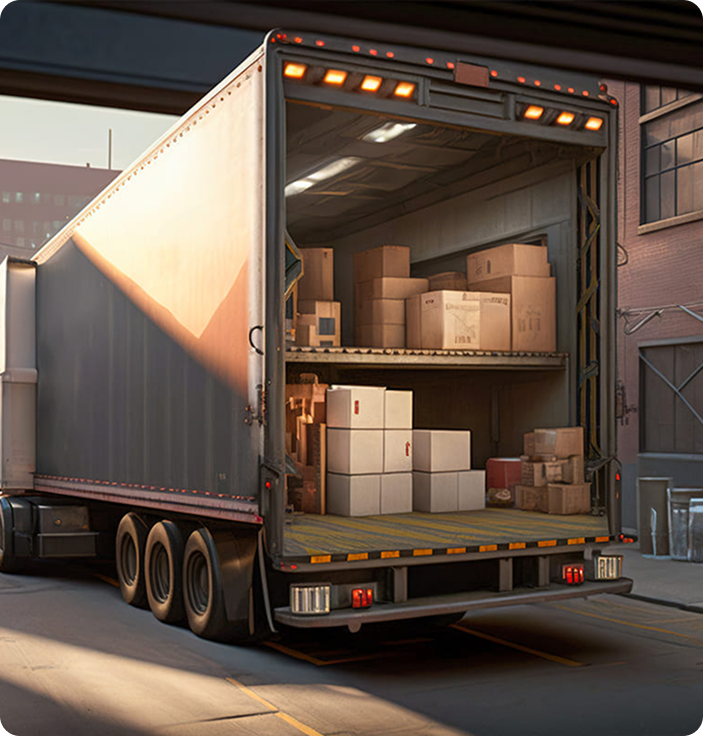
For heavy equipment transport in Wyoming, legal width is 8 feet 6 inches, and the legal height is 14 feet. Semi-trailers and single units can reach 60 feet. Gross weight on the interstate can go to 117,000 pounds by formula, subject to axle limits, which is higher than many states allow.
Past those numbers, a WYDOT oversize permit or permission is needed before the load enters a Wyoming highway. Ports of entry and highway shops can clear loads up to 18 feet wide, 17 feet high, 120 feet long, and 160,000 pounds. Bigger loads go through the Overweight Loads Office in Cheyenne. Permits run for a reasonable time to finish the move, up to four days.
Ports of Entry
Every commercial vehicle entering Wyoming has to stop at a port of entry. Trucks with in-cab bypass systems can normally keep going on a green light, but not when they carry an oversize or overweight load.
That stop is part of every oversize load permit in Wyoming plan, and we make sure the carrier has its registration, fuel tax, and USDOT details in order before it reaches the line.
Escorts and Daylight Rules
On two-lane primary and secondary highways, escorts are required for loads 14 feet or wider, 110 feet or longer, or any load that will cross the center line. On interstates and four-lane divided highways, escorts start at 15 feet wide. Rear overhang of 25 feet or more needs an escort anywhere.
Every oversize load permit in Wyoming builds in these rules. Oversize moves are limited to daylight, with a few exceptions, such as loads up to 10 feet wide on interstates. Escorted moves cannot run on six major holidays or the weekends around them, and loads over 18 feet wide must avoid school bus and commuter hours on primary and secondary highways.
Why the Forecast Matters More Than the Mileage
Wind is the single biggest scheduling risk for a heavy haul in Wyoming. WYDOT uses weight-based wind closures, shutting a road segment to vehicles under a set gross weight when gusts pass safe levels. Light, high-profile loads are hit first, and where gusts reach 60 miles per hour and signs are not posted, WYDOT issues an extreme blow over risk warning.
In winter, the state can post a no unnecessary travel advisory, and oversize loads are not allowed to move under one. A load already on the road may go only to the nearest parking area or town. We watch WYDOT’s road reports and build spare days into every winter plan, including equipment hauling in Casper, WY.
Chains and Traction on Winter Routes
Wyoming’s chain law has two levels, and it applies only where signs say it is in effect. At Level 1, vehicles need chains, adequate snow tires, or all-wheel drive. At Level 2, the rule tightens to chains or all-wheel drive with rated tires, and commercial vehicles must chain up. Fines run $250, or $750 if the violation causes a highway closure.
For any Wyoming move between October and April, the carrier needs chains on board and a driver who knows where the signs usually go up on I-80 and the mountain passes.
Wyoming’s Main Corridors
Three interstates carry most heavy equipment transport in Wyoming, each with its own character.
I-80 Across Southern Wyoming
I-80 runs from Cheyenne through Laramie, Rawlins, Rock Springs, and Evanston to Utah, and it is the main east-west route for loads crossing the country. Wind closures are common on stretches between Laramie and Rawlins. Equipment hauling in Cheyenne, WY often starts here, at the junction with I-25 near the Colorado line. Trona mining near Green River and wind projects in the south both depend on this corridor.
I-25 Through Cheyenne and Casper
I-25 links Cheyenne with Casper and continues north to Buffalo, where it meets I-90, so equipment hauling in Cheyenne, WY, bound north usually takes it. Equipment hauling in Casper, WY, serves oil and gas fields, pipeline jobs, and service companies across central Wyoming. Many loads bound for Montana use this route.
I-90 and the Powder River Basin
I-90 crosses the northeast corner through Sheridan, Buffalo, and Gillette. Gillette sits in the Powder River Basin, one of the country’s largest coal regions, and mining equipment transport in Wyoming is heavily concentrated around it. Large mine parts often move as a heavy haul in Wyoming on specialized trailers with escorts.
South to Colorado on I-25
From Cheyenne, I-25 runs about 45 miles south to Fort Collins and on to Denver, the most common lane for machines leaving southeast Wyoming. Equipment hauling in Cheyenne, WY, bound for Colorado crosses from WYDOT rules into CDOT rules at the line, so both permits have to agree on dimensions and dates. Freight headed into the Front Range at legal size moves under Colorado freight shipping.
North to Montana on I-90 and I-25
I-90 leaves Sheridan for Billings, and I-25 ends at Buffalo where it joins I-90, so mine and energy equipment from Gillette and Casper often heads into Montana this way. Montana issues its own permits and sets its own travel hours, so both states shape the schedule. Legal-size loads use Montana freight shipping.
Jackson and the Western Valleys
Jackson and the western valleys are reached on US highways through mountain country. Teton Pass on WYO 22 is restricted to no trailer traffic, so loads use longer routes. We check seasonal restrictions on those roads before quoting heavy equipment transport in Wyoming for the Jackson area.
Moving Wind Turbine Components
Southern Wyoming’s wind farms need some of the largest loads on any road: tower sections, nacelles, hubs, and blades, plus the cranes that install them. Wind turbine equipment transport takes long permits, escorts, and careful timing around both weather and WYDOT’s restrictions, so each wind turbine equipment transport plan starts with the route.
A wind closure that would be an inconvenience for a dozer can stop a tall, light tower section for a day. Our renewable energy transportation page covers that kind of project freight in more depth.
Decks Built for Gravel Roads and Mine Gates
The load and the route decide the setup for heavy equipment transport in Wyoming:
- Lowboy: keeps dozers and excavators under Wyoming’s 14-foot height limit
- RGN (removable gooseneck): front loading for tracked machines at remote sites with no dock
- Multi-axle and extendable trailers: spread the weight for mining equipment transport in Wyoming and for tower sections
- Step deck: suits ranch equipment and mid-height machines
Remote mine and energy sites often have gravel roads and gate rules, so we confirm access before choosing.
Heavy Haul Services for Energy, Mining, and Construction
Wyoming equipment moves can involve remote project sites and loads that require detailed route planning. These services address common needs across heavy industries.
Specialized Equipment Hauling for oversized loads requiring permits, escorts, or specialized trailers.
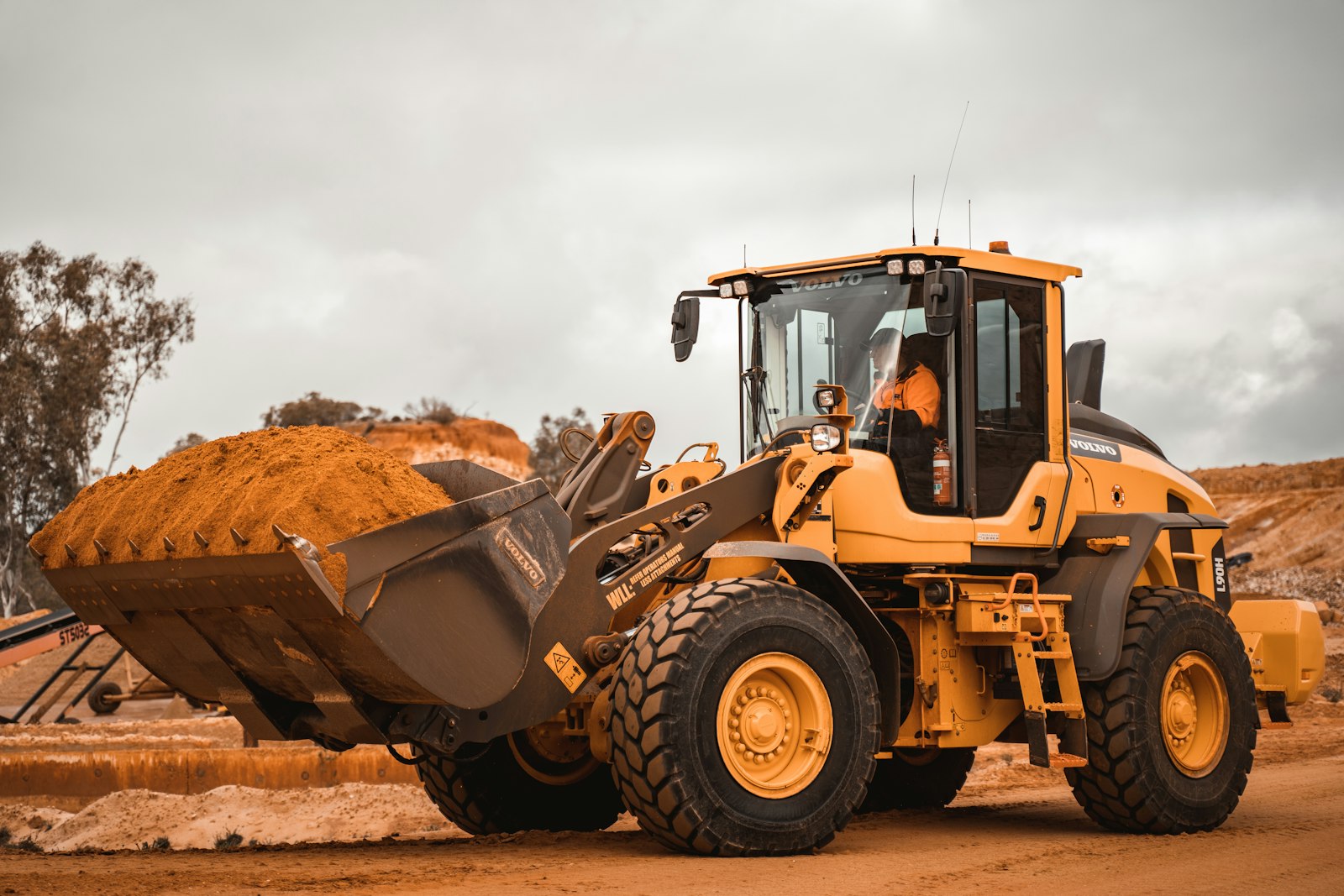
Heavy Machinery Transport for mining, aggregate-processing, and industrial machinery.
Industries We Serve for industry-specific freight options.
Our Process for Heavy Equipment Transport in Wyoming
From your details, we choose the trailer, map a route that fits WYDOT’s limits, and file for the WYDOT oversize permit plus anything neighboring states require. Escorts are added when the permit calls for them. Every carrier is screened for authority, insurance, and safety record before it takes the job, and we track weather and road reports alongside the load.
Heavy equipment shipping in Wyoming follows that plan whether the machine is a single tractor or a mine truck. Machines within legal limits can ship as standard Wyoming freight shipping.
Plan Your Wyoming Move Before the Weather Does
Fill out the Wyoming haul quote form, choose heavy equipment, and add both ZIP codes, the make and model, and the loaded dimensions and weight. A target date and any winter deadline help, since spare days are easier to build in early. Calls go to 888-520-1718, Monday through Friday, 7 a.m. to 7 p.m. Eastern, with 24/7 support for urgent freight.
FAQs About Heavy Equipment Transport in Wyoming
What Do Heavy Haulers Haul in Wyoming?
Anything too big, heavy, or awkward for standard freight. In Wyoming, that includes mining machinery, energy equipment, ranch tractors, and the tower sections, nacelles, and blades headed to southern wind farms. Equipment hauling in Casper, WY often serves energy and construction sites, where machines move between remote locations.
Can Oversize Loads Run at Night in Wyoming?
Mostly no. Wyoming limits oversize moves to daylight, with a few exceptions such as loads up to 10 feet wide on interstates. Escorted moves also skip six major holidays and the weekends around them, so heavy equipment transport in Wyoming over long distances is planned around the hours a load can legally run.
How Wide Does a Load Need to Be to Be Oversized?
Anything over 8 feet 6 inches wide is oversized in Wyoming and needs a WYDOT oversize permit. Escorts follow at 14 feet on two-lane highways and 15 feet on interstates and four-lane divided roads. Ports of entry can clear loads up to 18 feet wide, and wider ones go through the Overweight Loads Office in Cheyenne.
Can oversize equipment travel in Wyoming during high winds?
Oversize equipment can travel in Wyoming during some high-wind conditions, but WYDOT may restrict or stop specific moves because of blow-over risks. Restrictions depend on road conditions and the type of load. We check current WYDOT advisories before coordinating a haul.
What is WYDOT's weight-based wind closure?
WYDOT’s weight-based wind closure restricts certain vehicles on affected highway sections when strong winds create a blow-over risk. Posted weight thresholds refer to the vehicle’s gross vehicle weight, including the truck, trailer, and cargo. Drivers must follow the posted restrictions and current road advisories.
Do chain laws stop oversize loads in Wyoming?
Yes. Wyoming rules prohibit oversize and overweight loads from moving when the chain law is in effect, or a highway has a “No Unnecessary Travel” restriction, unless the Wyoming Highway Patrol authorizes further movement. A load already on the road may proceed to the nearest town or parking area.
What equipment moves most often in Wyoming?
Common heavy-haul needs in Wyoming include mining and quarry machinery, construction equipment, agricultural machinery, and wind-energy components. The right trailer and route depend on the equipment’s dimensions, weight, loading requirements, and delivery location.
How should I schedule a Wyoming haul in winter?
Schedule your Wyoming equipment haul early and allow flexibility for snow, ice, high winds, chain laws, and road closures. Share the equipment details, route, and target delivery date so we can plan the move and check WYDOT advisories before dispatch.
Do you serve remote Wyoming job sites?
Yes, we can arrange heavy equipment transport to remote Wyoming job sites, including mining, energy, agricultural, and construction locations. We assess road access, turning and unloading space, equipment dimensions, and route restrictions before coordinating the carrier and delivery.