
Connecticut is one of the smallest states in the country, yet a big machine moving here can need more planning than a cross-country trip. Roads are old and busy, many bridges and overpasses are tight, and the state’s escort rules are detailed.
Freight City Logistics coordinates heavy equipment transport in Connecticut for contractors, manufacturers, rental fleets, and project teams. The heavy equipment transport plan covers sizing the machine, picking the trailer, arranging the CTDOT paperwork, and handing the haul to an insured, screened carrier. As a bonded, licensed property broker (USDOT 3752961, MC 1332997), Freight City Logistics runs the planning while the carrier drives the load.
Pavers, Presses, and Switchgear on Connecticut Roads
Heavy equipment shipping in Connecticut covers a broad mix:
- Excavators of every size, which make excavator transport in Connecticut the most common job type
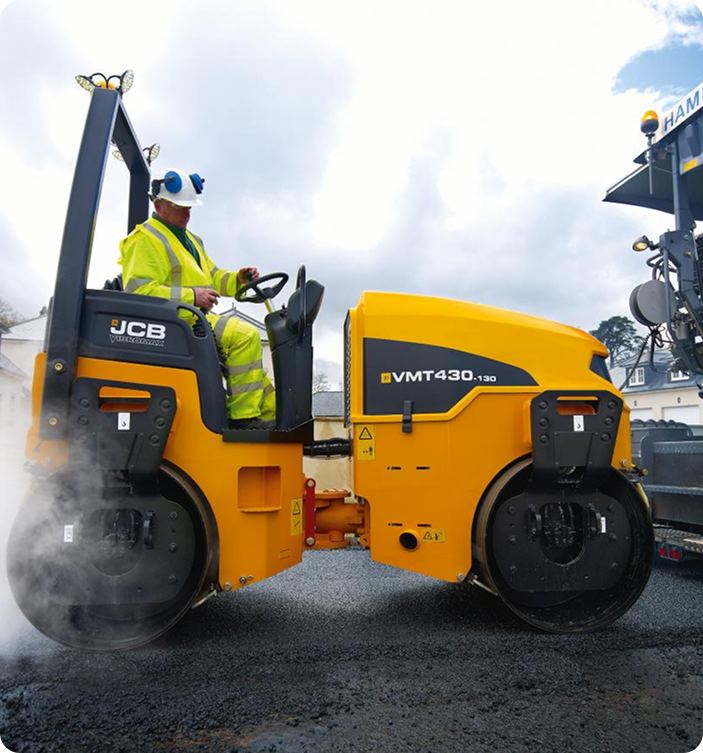
- Dozers, loaders, pavers, and rollers for highway and site work
- Cranes, aerial lifts, and telehandlers for commercial and industrial projects
- Machine tools, presses, and production equipment for manufacturing plants
- Generators, transformers, and switchgear for utility and energy work
- Skid steers, mini excavators, and tree equipment for residential and town jobs
Send each machine’s measurements on the trailer, plus its weight, as early as you can, since Connecticut’s permit and escort rules are set by those measurements.
The Size and Weight Line Before a Permit
In Connecticut, a truckload can be up to 8 feet 6 inches across and 13 feet 6 inches tall without a permit. Single vehicles are limited to 45 feet, and 53-foot trailers are allowed with a 43-foot kingpin setting. Weight limits depend on axles and wheelbase, with 80,000 pounds allowed for tractor-trailers on five or more axles with a wheelbase of at least 51 feet.
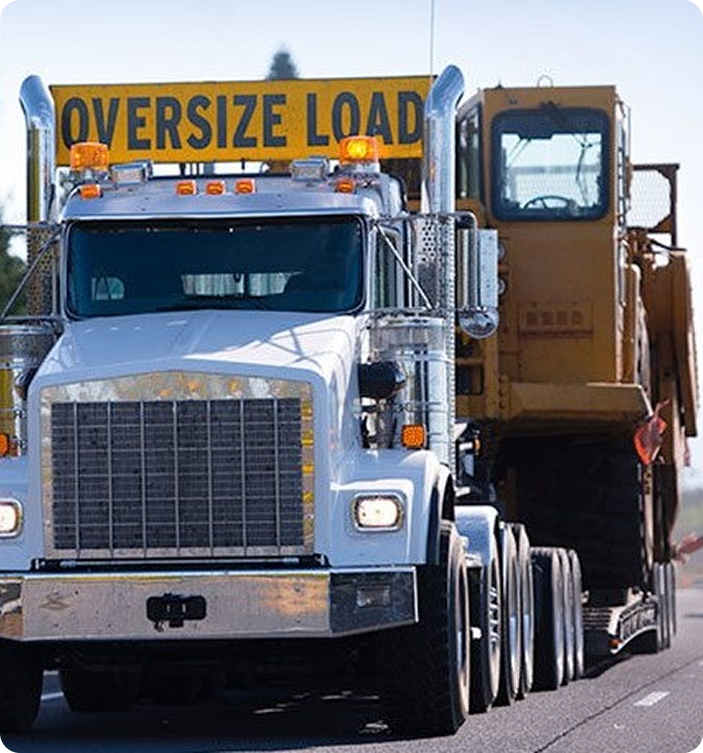
A machine that takes the truck past any of these needs an oversize load permit in Connecticut before it moves. Many compact machines on a suitable trailer stay legal, but full-size excavators and dozers often do not, which is why excavator transport in Connecticut usually starts with a permit check.
Inside the CVO Portal
CTDOT issues oversize and overweight permits, and applications go through the Commercial Vehicle Operations web portal run by the Connecticut Department of Motor Vehicles. Payment is made online by card. Any heavy equipment transport in Connecticut that needs a permit starts in that portal, usually a few days before the truck rolls.
Four Permits and Which One Fits
The permits most relevant to equipment moves are:
- Single trip permit: valid for three days for one one-way or round trip, during daylight hours
- Annual indivisible load permit: for Connecticut-based carriers, running May 1 through April 30
- Divisible load permit: for approved bulk materials, monthly or annual
- Industrial permit: for industrial vehicles moving between buildings of the same plant
For most heavy equipment transport in Connecticut, a CTDOT oversize permit is a single trip permit. Because it lasts only three days, the carrier, escorts, and site have to be ready before we apply.
How Many Escorts Your Width and Height Bring
Connecticut’s escort chart for equipment starts with width. A load that exceeds the lane width may need an escort even below 12 feet. Past 12 feet, civilian escorts are required, with more added at 13 feet 6 inches and again at 15 feet. Height over 14 feet brings escorts, and every load 14 feet 6 inches or taller needs a front pole car.
Length over 80 feet adds an escort, and the count grows at 100 feet and again near 120 feet. Each oversize load permit in Connecticut lists its escorts, and CTDOT can also require extra ones for construction zones, tight geometry, or busy times of day on the chosen route.
When a Trooper Rides Along for Heavy Equipment Transport in Connecticut
For many larger loads, CTDOT decides at permit issuance whether a Connecticut State Police escort for the oversize load is needed. When one is required, it can stand in for one of the civilian escorts.
That decision depends on the route as well as the size, so the same machine may need State Police on one trip and not on another. We request the permit early enough that a Connecticut State Police escort for the oversize load can be scheduled without pushing the move past the permit’s three-day window.
Night Moves, Route Surveys, and Superload Inspections
CTDOT generally treats a move as a superload when it passes 150 feet long, 16 feet wide, 16 feet high, or 200,000 pounds. Superloads travel at night only and typically need a Connecticut State Police escort on the oversize load. The carrier must also submit a certified route survey, done by a Connecticut-based surveyor within a week of the move, and secure encroachment permits if trees, signals, or signs must be adjusted.
The load faces an inspection a day or two before the move and another on the day itself, and the application has to be in at least five business days ahead. Each heavy haul in Connecticut at that size is planned weeks out.
I-95, I-84, I-91, and the Parkways Trucks Avoid
I-95 runs along the shoreline from Greenwich through Bridgeport, New Haven, and New London toward Rhode Island. I-84 crosses from Danbury through Waterbury and Hartford to the Massachusetts Turnpike, and I-91 links New Haven, Hartford, and Springfield. Route 8, Route 9, and I-395 serve the interior.
The Merritt Parkway and the Wilbur Cross Parkway are closed to commercial vehicles, so a heavy haul in Connecticut through Fairfield County uses I-95 or other truck routes.
The Capital Region Around the I-84 and I-91 Interchange
Hartford sits where I-84 and I-91 meet, with aerospace manufacturing, insurance campuses, and steady road work around it. Equipment hauling in Hartford, CT often means moving machines between rental yards, highway jobs, and plants in East Hartford, Windsor, and the Farmington Valley.
Rush hours at the I-84 and I-91 interchange also shape equipment hauling in Hartford, CT, so trips are timed around them. Farmington Valley jobs get their own detail on the Canton equipment hauling page.
New Haven, New London, and the Shoreline
New Haven has a working port, universities, hospitals, and a long list of construction projects. Equipment transport in New Haven, CT covers everything from tower cranes to plant equipment headed for the harbor area. Narrow downtown streets mean equipment transport in New Haven, CT often uses shorter trailers, and the I-91 and I-95 junction adds traffic timing.
Farther east, New London’s State Pier and the defense and shipbuilding work around Groton add heavy cargo. Past Stonington, I-95 enters Rhode Island, where legal-size loads move through Rhode Island freight shipping.
West Into New York
I-95 and I-84 both cross into New York within a few miles of Greenwich and Danbury. The Merritt Parkway becomes the Hutchinson River Parkway at the line, and commercial vehicles are barred there too, so heavy equipment shipping in Connecticut bound for Westchester or the city stays on the interstates. New York issues its own permit for an oversize machine. Legal-size loads use New York freight shipping.
Short Decks for Old Town Centers
The machine and the route decide the trailer:
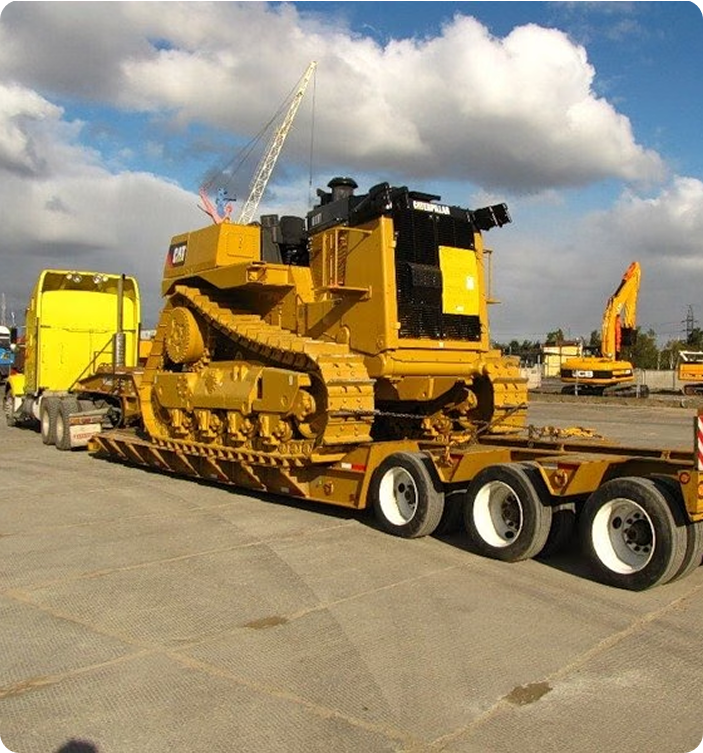
- Lowboy: the low deck that lets most excavator transport in Connecticut stay under the height cap
- RGN: a detachable neck so tracked machines drive on from the front
- Step deck: for lifts, loaders, and units of middle height
- Tilt or tag trailer: for compact machines on short local runs
Older town centers and hillside sites can limit trailer length. We ask about access and turning room before choosing. Parts, attachments, and legal-size units can also travel as Connecticut freight shipping.
Heavy Equipment and Industrial Transport Services
Connecticut businesses can use these services to arrange machinery moves, construction deliveries, and specialized freight shipments.
Construction Equipment Transport for machinery moving between job sites.
Industrial Equipment Transportation for factory and production equipment.
Specialized Equipment Hauling for oversize or overweight shipments.
The Handoff From Your Desk to the Carrier
Once the specs arrive, our heavy equipment transport in Connecticutsettle on a trailer, plot a path away from parkways and posted bridges, and file each permit the trip calls for, in Connecticut and beyond. Escorts, including State Police when CTDOT requires them, are arranged to match the permit.
No carrier gets the job until we have checked its operating authority, coverage, and safety history, and you hear from us while the load is rolling. Connecticut does not share a multi-state permit with its neighbors, so each state on a regional trip adds its own permit, as laid out under New England heavy equipment transport.
Why Connecticut Businesses Choose Freight City Logistics
- Planning around the state’s major corridors. I-95, I-84, and I-91 serve different parts of Connecticut, but the most suitable route depends on the load and destination. We consider road restrictions and access requirements when arranging transport.
- CTDOT permit and escort coordination. Oversized or overweight machinery may require permits and, in some cases, an escort. We coordinate the applicable requirements and account for them in the shipment plan.
- Transport for construction and industrial operations: We arrange equipment moves for contractors, industrial facilities, and other businesses, taking into account the machinery’s dimensions, loading method, and delivery-site conditions.
- Preparation for cross-state shipments: A move between Connecticut and New York, Massachusetts, or Rhode Island may involve separate state requirements. We consider the full route when coordinating the transport arrangements.
Request a Plan & Price for Heavy Equipment Transport in Connecticut
The Connecticut haul quote form asks for the essentials: where the machine is, where it is going, what it is, and how big and heavy it sits on the trailer. Choose heavy equipment as the freight type. Phone quotes are available at 888-520-1718 on weekdays between 7 in the morning and 7 at night Eastern, and urgent loads get a response at any hour. Firm site dates help, since the three-day permit window leaves little slack.
FAQs About Heavy Equipment Transport in Connecticut
What Are the Truck Weight Limits in Connecticut?
Limits depend on axles and wheelbase. A tractor-trailer with five or more axles and at least 51 feet of wheelbase can run at 80,000 pounds. Heavier machines need an overweight permit, and loads past 200,000 pounds are generally treated as superloads, which call for a certified route survey before approval.
Can Trucks Go on Route 15 in CT?
Commercial vehicles are barred from the Merritt Parkway and the Wilbur Cross Parkway, which carry most of Route 15, and their low stone bridges would stop a tall load anyway. A heavy haul in CT through Fairfield County or toward New Haven uses I-95, I-91, or other truck routes instead.
Are Oversized Loads Allowed to Run at Night?
For heavy equipment transport in Connecticut, standard single trip permits allow daylight travel only. The rule flips for the biggest loads, since superloads travel at night only, usually with a State Police escort. Equipment hauling in Hartford, CT, for a standard oversize machine is also timed around rush hours at the I-84 and I-91 interchange.
Do I need a Connecticut permit to haul oversize equipment?
Yes. You generally need an oversize load permit in Connecticut if your loaded vehicle exceeds the state’s legal size or weight limits. CTDOT reviews permit applications based on the load’s dimensions, weight, and proposed route. Requirements also apply to equipment transported on a truck and trailer.
Does Connecticut require State Police escorts for oversize loads?
Sometimes. A Connecticut State Police escort for an oversize load may be required based on the load’s dimensions, route, and permit conditions. CTDOT determines escort requirements during permit review, so confirm them before scheduling transport.
How long is a Connecticut single-trip permit valid?
A Connecticut single-trip oversize permit is generally valid for three days, subject to the permit’s terms. The carrier must follow the approved route and travel conditions, so confirm the validity dates before dispatch.
Can I use one permit for Connecticut and Massachusetts?
No. Heavy equipment shipping in Connecticut and Massachusetts generally requires separate state permits when the load exceeds each state’s legal limits. Each state may specify different routes, travel hours, and escort requirements.
Which trailer should I use for a skid steer or compact loader?
A flatbed, equipment trailer, or lowboy may suit a skid steer or compact loader, depending on its operating weight, dimensions, and ground clearance. For heavy haul in Connecticut, we assess the machine and loaded trailer combination to determine suitable equipment and whether permits are needed.