TRUSTED TRANSPORT ACROSS THE U.S, CANADA & MEXICO

Freight City Logistics coordinates heavy equipment transport in Chicago, IL, for contractors, equipment rental businesses, industrial operators,
and companies moving machinery between yards and job sites. We help arrange the right trailer, review routing and permit requirements,
and connect your shipment with a vetted carrier.

Freight City Logistics is a licensed, bonded freight transportation company (DOT 3752961, MC 1332997) that coordinates shipments through
a partner-carrier network. We handle road transportation, not equipment towing, recovery, rigging, or hoisting.

Get a Free Chicago Quote

Equipment We Haul Around Chicagoland

Chicago’s construction sites, industrial properties, and equipment yards use machinery with different transport requirements. We arrange shipments based on the equipment’s dimensions, weight, loading method, and destination.

    • Construction and earthmoving equipment: Excavators, bulldozers, skid steers, backhoes, compactors, and graders moving between contractors’ yards and active projects.
    • Industrial machinery: Production equipment, machine tools, and other heavy units moving between facilities, warehouses, and manufacturing sites.
    • Forklifts and material-handling equipment: Forklifts, telehandlers, and similar machinery being relocated between commercial properties, distribution operations, and equipment yards.
    • Cranes and access equipment: Certain mobile cranes, boom lifts, and scissor lifts, subject to the equipment’s transport configuration, dimensions, and carrier availability.
    • Rental fleet transfers: Equipment moving between rental locations, storage yards, and customer sites across Chicago and the surrounding suburbs.

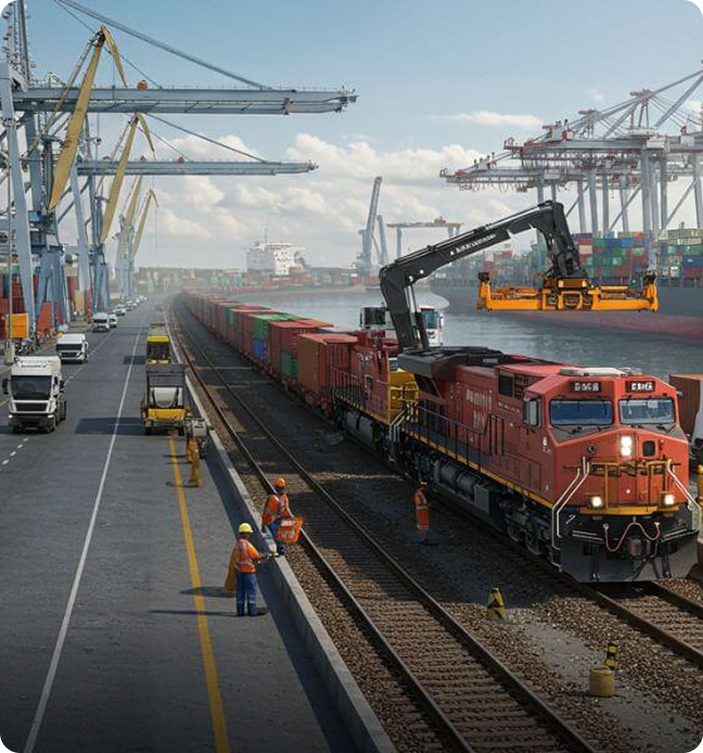
If your shipment involves a machine arriving at a rail or intermodal facility, share the pickup details and any appointment or release requirements when requesting a quote. Facility access, loading arrangements, and handling services must be confirmed separately.

Moving Equipment Through Chicago Expressways, Tollways, and City Streets

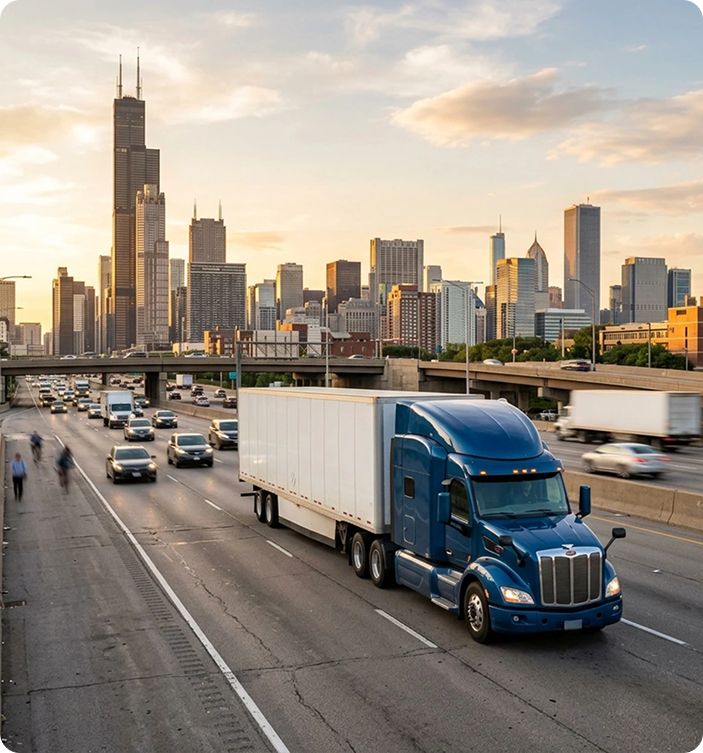
Chicago’s road network gives carriers several ways to approach the city, but the shortest route is not always suitable for a large machine. I-90 and I-94 serve major regional and city connections, while I-55 and I-290 provide access to other parts of the metropolitan area. The I-294 and I-355 tollways can be relevant for suburban movements, depending on the origin and destination.

For oversized equipment, route selection must account for more than distance. Posted bridge limits, overhead clearances, construction zones, permitted truck routes, and the load’s turning requirements can all affect the planned journey. Tollway movements may also require separate authorization, and the Tollway sets its own restrictions for permitted loads. Review Illinois Tollway overdimension and overweight permit requirements.

The final approach to the destination deserves equal attention. A truck may be able to use a major highway but still face a restricted street, limited turning space, low clearance, or insufficient room to position the trailer at the delivery site.

When requesting heavy equipment shipping in Chicago, provide the full pickup and delivery addresses rather than only the ZIP codes. Details about gates, loading areas, access roads, and site schedules help the carrier assess the move before arrival.

Rail Ramps, Intermodal Hubs and Industrial Corridors

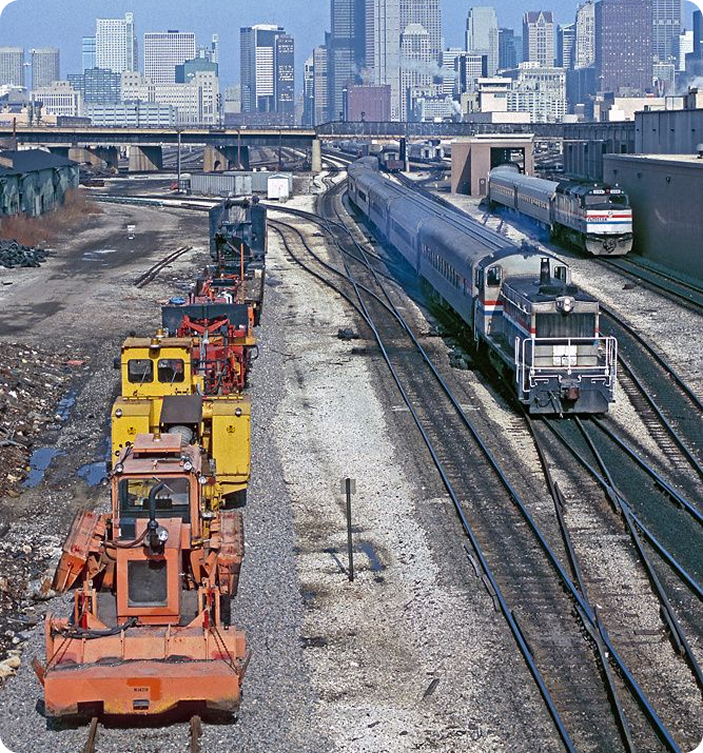
Chicago is a major freight interchange, and some machinery moves begin or end at properties connected to rail, warehousing, or intermodal operations. These shipments can require coordination beyond ordinary pickup and delivery arrangements.

If equipment is being collected from a freight facility or industrial yard, confirm who is releasing the machine, whether an appointment is required, and what documentation the carrier needs at the gate. Loading equipment, site personnel, and access credentials may also need to be arranged by the parties responsible for the facility.

For deliveries to manufacturing plants, warehouses, or other industrial properties, share any restrictions on truck entry, unloading areas, and delivery hours. If the shipment requires a crane, rigging crew, or other specialized handling at either end, that work must be arranged separately from the road transportation.

We use these details to coordinate the transport arrangement around the actual shipment. This is particularly important when a machine must move from a freight yard onto local streets or continue to a suburban industrial site.

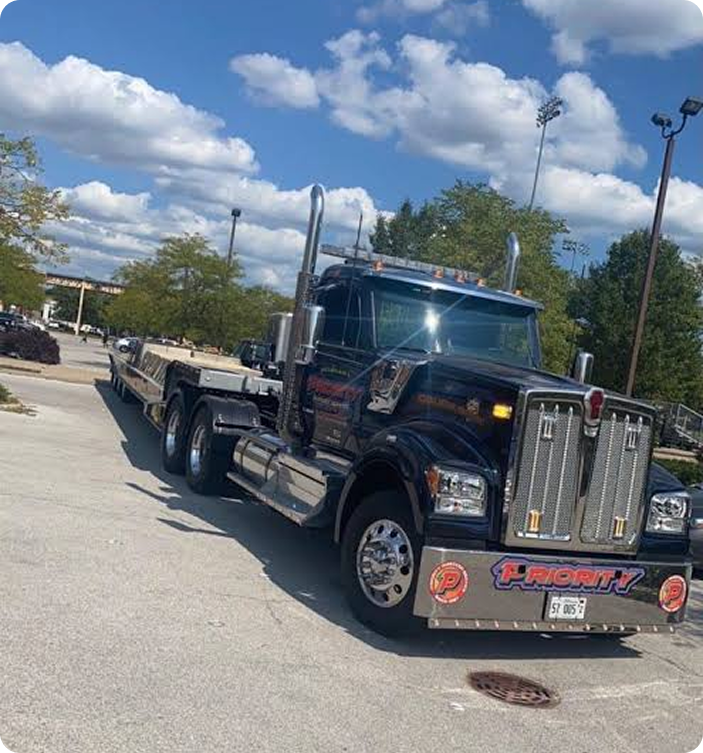
Trailer Selection for Heavy Equipment Transport in Chicago, IL

The right trailer depends on the machine’s loaded dimensions, weight, ground clearance, loading method, and route. A trailer that works
for a compact skid steer may not be suitable for a large excavator or tall industrial unit.

Equipment type

Possible trailer option Planning consideration

Skid steers and compact loaders

Flatbed or suitable equipment trailer

Loading access and securement points

Excavators and bulldozers

Lowboy or other suitable low-clearance trailer Operating weight, track width, and loaded height

Forklifts and telehandlers

Flatbed or step-deck, where suitable

Overall height and loading method

Industrial machinery

Flatbed, step-deck, or specialized trailer

Weight distribution and lifting arrangements

Larger or unusually dimensioned machinery Specialized lowboy or other approved configuration

Route review, permits, and possible escort requirements

These are starting points, not a substitute for checking the actual machine specifications. Trailer availability and suitability depend on the shipment.

For a lowboy trailer in Chicago, provide the machine’s make and model, operating weight, overall length, width, and transport height. If attachments will be removed before loading, tell us how the equipment will be configured for transport. Accurate measurements help determine whether the planned trailer and route are appropriate.

Industrial Machinery and Oversize Hauling Services

Chicago-area shipments can involve industrial facilities, construction projects, and freight with specific routing or trailer requirements.

Chicago and Suburban Service Area

Freight City Logistics coordinates equipment moves in Chicago and surrounding communities, subject to carrier availability and the requirements of each shipment.

Our Chicago-area service coverage can include:

  • Chicago and nearby communities: Chicago and Cicero.
  • Western and southwestern suburbs: Naperville, Aurora, and Joliet.
  • North and northwest suburbs: Elgin and Waukegan.
  • Regional and interstate lanes: Shipments connecting Chicagoland with destinations such as Milwaukee, Indianapolis, St. Louis, Detroit, and Des Moines, depending on the requested lane and available carrier.

For a shipment crossing into Indiana or another state, the route may involve additional state and local requirements. The applicable permits depend on the full journey, not only the pickup location.

For statewide moves outside the Chicago area, see our heavy equipment transport services in Illinois. For general freight rather than machinery-specific transport, you can also explore Illinois truckload shipping.

Why Chicago Businesses Choose Freight City Logistics

  • Chicago-specific route planning: We account for the distinction between IDOT highways, Chicago streets, tollways, and suburban roads when coordinating an equipment move.
  • Permit requirements considered early: Load dimensions, route restrictions, and the authorities responsible for each road help shape the transport plan before dispatch.
  • Equipment matched to the transport setup: We use the machine’s weight, dimensions, ground clearance, and loading needs to identify a suitable trailer and carrier.
  • Coordination for busy yards and job sites: Pickup appointments, facility access, loading arrangements, and delivery instructions can be considered as part of the shipment details.
  • One point of contact for the shipment: We coordinate through our partner-carrier network and keep communication focused on the move’s arrangements, updates, and requirements.

Get a Free Quote for Heavy Equipment Transport in Chicago, IL

Tell us what you need to move, where the equipment is located, and where it needs to go. We’ll use those details to review
the transport requirements and coordinate an appropriate carrier and trailer option.

• Equipment make, model, and description.
• Overall dimensions and weight, including attachments.
• Exact pickup and delivery addresses.
• Preferred pickup date or scheduling window.
• Any known permit requirements, site restrictions, or loading arrangements.

If the equipment is taller than 13 feet 6 inches, unusually wide, or particularly heavy, include its exact measurements
when you request a quote. These details help identify potential route and permit considerations.

Get a Free Chicago Quote

FAQs About Heavy Equipment Transport in Chicago, IL

Do I need a City of Chicago permit to haul oversize equipment?

A City of Chicago permit may be required when a permitted load travels on streets under city jurisdiction. IDOT permits cover state-maintained highways, while local streets may require separate authorization. Tollway movements can have their own requirements as well. The permits needed depend on the complete route, the load’s dimensions and weight, and the road authorities involved. Freight City coordinates the applicable requirements for your shipment.

What is the maximum height for a load on Chicago-area expressways?

For heavy equipment transport in Chicago, IL, permitted height depends on the road, the load, and the applicable authorization. IDOT’s Cook County expressway provisions restrict certain movements above 13 feet 6 inches, subject to specific route exceptions. Other clearance restrictions can apply on individual roads and structures. Provide the machine’s overall loaded height so the route and permit conditions can be reviewed before transport is arranged.

Can wide equipment travel Chicago expressways at rush hour?

Wide equipment may face route-specific and time-of-day restrictions on Chicago-area expressways. The conditions depend on the load’s dimensions, the road being used, and the permit issued for the move. Some movements have defined travel windows, and certain loads are prohibited from designated expressways unless an exception applies. The current permit conditions and planned route should be checked before dispatch.

What is the difference between heavy equipment transport and heavy equipment towing in Chicago?

Heavy equipment transport moves machinery on a suitable trailer from one location to another, while towing generally involves pulling a vehicle or machine on its own wheels. Freight City coordinates road transportation for equipment such as excavators, forklifts, loaders, and industrial machinery. Recovery, hoisting, crane work, and rigging are separate services that may need to be arranged with qualified providers.

Can you move forklifts or industrial machinery between Chicago suburbs?

Yes, Freight City Logistics can coordinate forklift and industrial machinery shipments between Chicago-area locations, subject to equipment details and carrier availability. The quote depends on the machine’s dimensions, weight, loading method, route, and site access. Share the pickup and delivery addresses and let us know if either location has appointment rules, limited truck access, or special unloading requirements.

How do I get a quote for a Chicago-to-Indianapolis haul?

To request a Chicago-to-Indianapolis equipment transport quote, provide the machine details, pickup and delivery addresses, and preferred schedule. Include the equipment’s weight, dimensions, make and model, and any loading or unloading requirements. We’ll review the lane, determine what transport arrangements may be suitable, and coordinate applicable permit requirements based on the equipment and route.

What Is the Cheapest Method to Transport Heavy Goods and Materials from Chicago?

For machinery, the cheapest move is usually one that stays within legal size, since permits and escorts add cost. Removing attachments, choosing a trailer that keeps the load under the height limit, and offering flexible dates all help. Heavy equipment transport in Chicago also costs less when the route avoids restricted expressways and timed city streets.

How Much Does It Cost to Transport a Forklift?

The cost to transport a forklift generally ranges from $2.50 to $7.00 per mile, heavily depending on the forklift’s weight, mast height, distance, and the trailer it needs. A compact warehouse unit fits a smaller deck, while a large yard machine may need a step deck or lowboy and a permit. For equipment hauling in Chicagoland, dock access and delivery hours at both ends also affect the quote.

What Is the Maximum Height for an Oversized Load?

It depends on the route. On Chicago-area expressways, IDOT will not authorize anything above the 13 feet 6 inches legal height, while elsewhere in the state a permit can allow more, with about 15 feet as the practical figure. Tall machines headed into the city often ride a lowboy to stay legal.